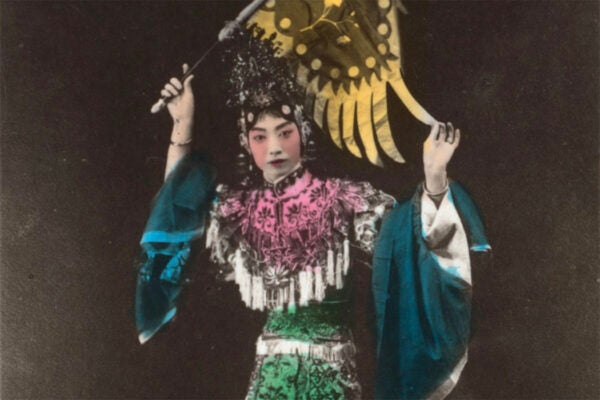
How Race Shaped New York’s View of Chinese Opera
In 1930s New York, Chinese opera was praised uptown but mocked in Chinatown.
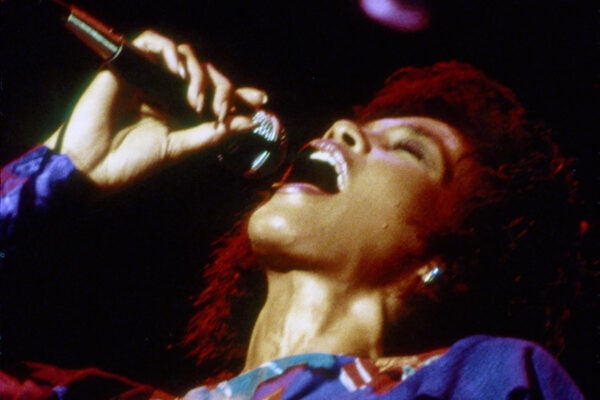
Understanding the Power of Power Ballads
Why do power ballads still resonate? A look at the emotional formulas behind pop’s biggest ballads.

Gender Play in Nineteenth-Century Theater
In the 1800s, women playing tragic leads captivated crowds while critics struggled to reconcile talent with gender norms.
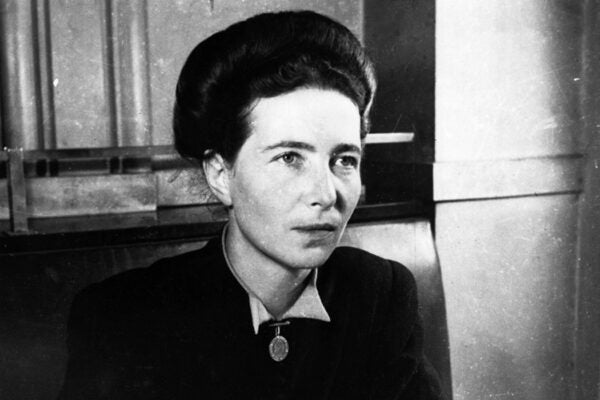
Simone de Beauvoir’s Only Play
Beauvoir’s Who Shall Die? explores moral responsibility and the unequal valuation of human life during wartime.
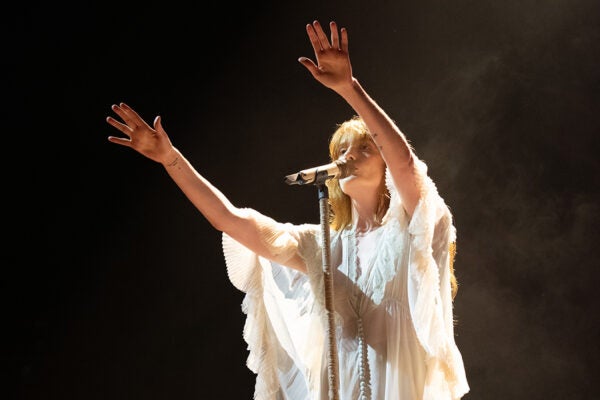
The Pagan Heart of Florence + The Machine
Welch’s new album continues the band's long-running dialogue with magic, myth, and modern witchcraft.
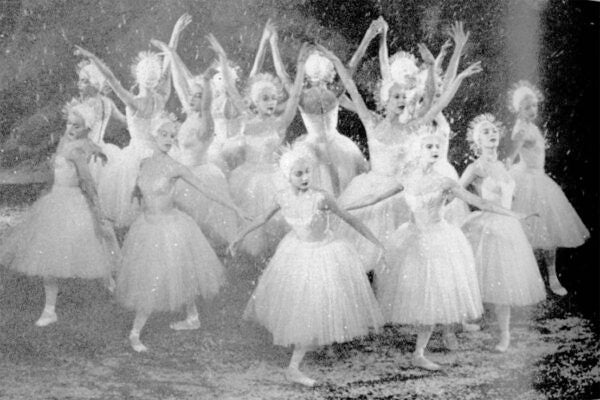
Making Sense of The Nutcracker’s Libretto
Early audiences loved it, even as critics questioned its structure. Returning to the story helps illuminate what makes the ballet so strangely captivating.

Weimar Operas and Visions of Utopia
Kurt Weill and his musical collaborators used utopian fantasies to explore the social and political conditions of a fading Weimar Republic.

The Scandalous Play in Mansfield Park
Jane Austen uses Elizabeth Inchbald’s Lovers’ Vows to explore the social boundaries, both public and private, of Regency England.

King James I and the Macbeth Witches
The ever-pragmatic Shakespeare added witches to the Scottish play to please his new patron, King James I of England.

Punks vs. Cowboys in Reagan Country
A bastion of both the Old and New Right, Orange County in the late 1970s seems an unlikely place for punk rockers.